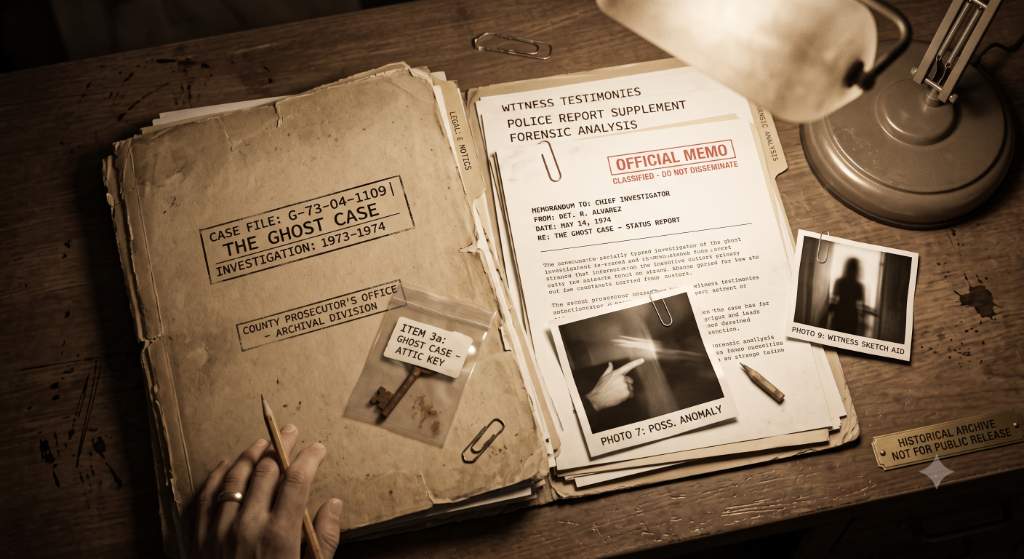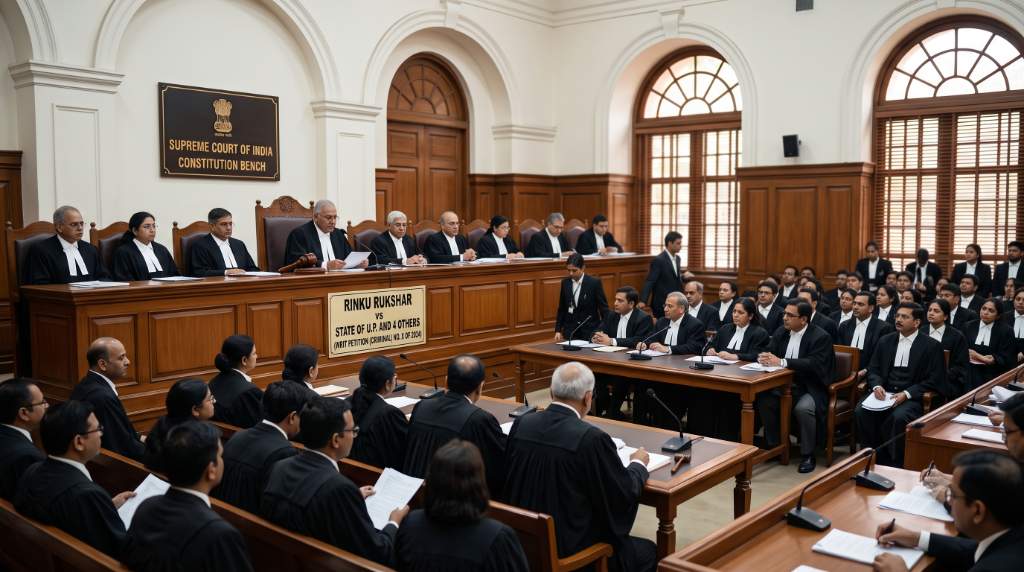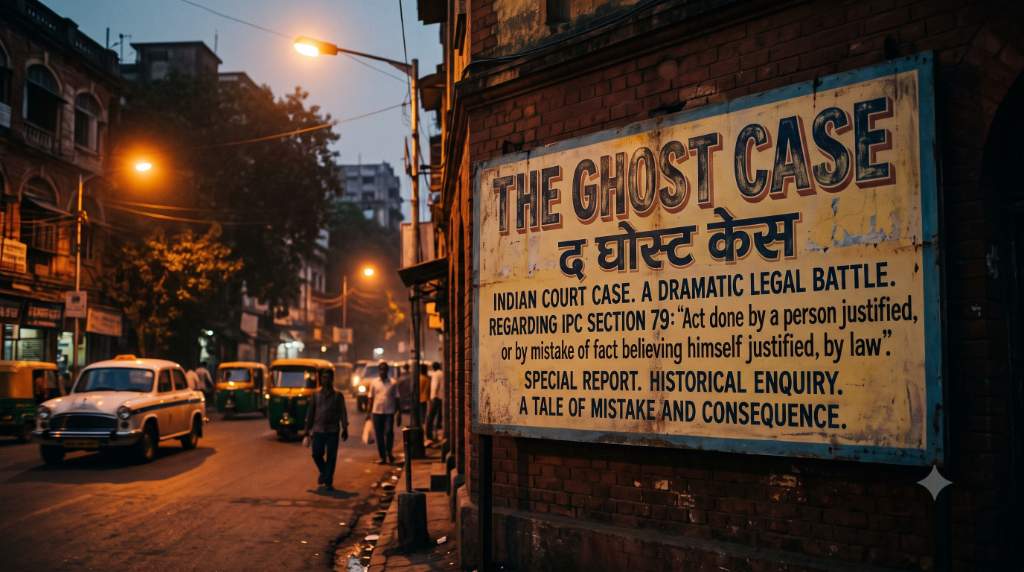
He killed a ghost. The court believed him.
Rasgovindpur village, May 1958. An abandoned World War II military airstrip surrounded by dense jungle. Every villager swore it was cursed and crawling with vengeful spirits.
"A midnight killing in an abandoned aerodrome. Can an honest belief in ghosts save a man from the gallows?"

Rasgovindpur village, May 1958. An abandoned World War II military airstrip surrounded by dense jungle. Every villager swore it was cursed and crawling with vengeful spirits.

Meet the key figures whose lives collided on that pitch-black midnight in May 1958.
At 12:30 AM, Jagat Bandhu and Thapa walked into the runway area. Deep in the darkness, they saw a bobbing, swinging light moving across the overgrown fields. Wind whipped through the trees. Convinced he was confronting a deadly apparition, Thapa charged forward with his khukri shouting battle cries.
The light was not a phantom. It was an ordinary hurricane lantern carried by three tribal women quietly gathering mahua flowers.
The State charged Thapa with murder. Thapa raised the ancient common law shield: mistake of fact under Section 79.
A woman is dead, but the killer had no grievance against her and genuinely thought she was an evil spirit. Does the law convict him or acquit him?

Consider whether an honest subjective belief in ghosts can constitute 'good faith' in the eyes of criminal law.
Chief Justice R.L. Narasimham and Justice S.P. Mohapatra of the Orissa High Court upheld the Sessions Court acquittal. The court held that Thapa had no motive or animosity against the victims. He acted in absolute bona fide belief that he was attacking a ghost. The protection of Section 79 applied in full.
This case remains India’s leading precedent on Section 79 IPC and the latin maxim *Ignorantia facti excusat, ignorantia juris non excusat* (mistake of fact excuses, mistake of law does not). It established that "due care and attention" is not an absolute mechanical standard, but depends on the intellectual capacity, terror, and physical circumstances of the accused.
20 May 1958: Incident occurs at the abandoned Rasgovindpur aerodrome during midnight storm.
Sessions Judge of Mayurbhanj acquits Ram Bahadur Thapa on all charges under Section 79 IPC.
15 April 1959: Orissa High Court (Narasimham, C.J.) dismisses the State's appeal against acquittal.
Principle preserved verbatim in Section 17 of the Bharatiya Nyaya Sanhita (BNS).
Join 14,000+ advocates, law students, and curious citizens reading certified Indian court stories.
Pleadings is dedicated to 100% legal accuracy. Found an error in this case record?